In today’s food and beverage industry, the pressure to maintain clean, compliant, and efficient operations has never been higher. With evolving safety regulations and rising production demands, manufacturers are turning to advanced washing systems to safeguard product quality—and protect their bottom line.
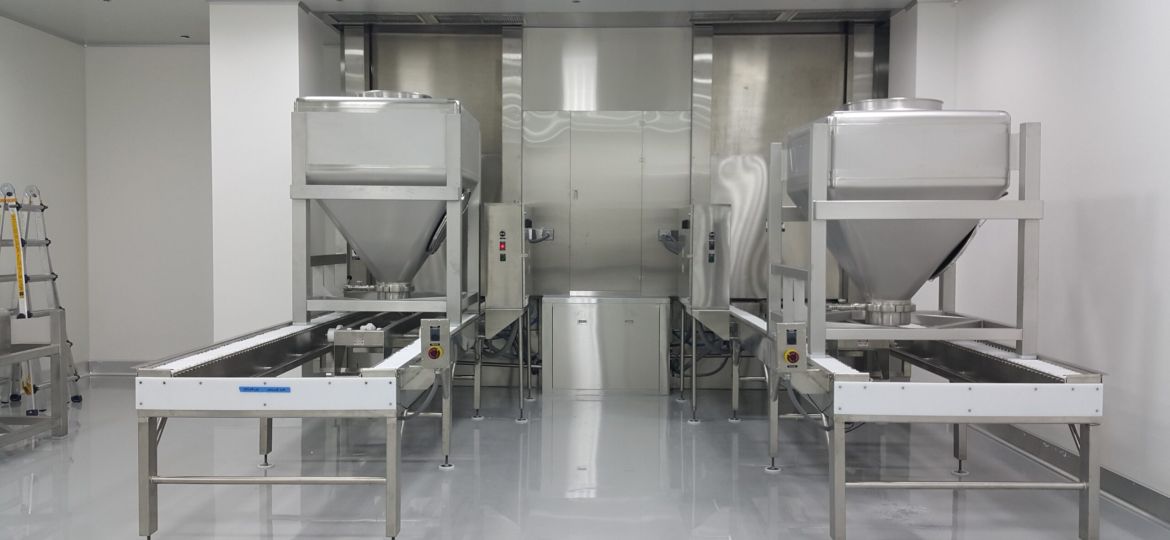
Industrial washers play a critical role in stopping contamination before it starts. Whether you’re cleaning totes, bins, cases, racks, trays, egg equipment, or specialty processing components, the right system ensures repeatable sanitation results, reduces labor, and keeps operations running smoothly.
In this article, we’ll break down why equipment sanitation is so essential—and how purpose-built washing solutions help facilities meet modern challenges head-on.
1. Food Safety Starts With Reliable, Repeatable Cleaning
Pathogens like salmonella, listeria, and E. coli can survive on improperly cleaned surfaces, putting both consumers and brands at risk. Consistent washing is more than a task—it’s a safeguard.
What modern washers help prevent:
- Cross-contamination between production cycles
- Chemical residue left from manual cleaning
- Allergen carryover in mixed-product environments
- Hard-to-reach buildup on scales, conveyors, or containers
Automated spray systems, adjustable temperatures, and optimized nozzle configurations deliver the precision manual cleaning simply can’t match.
2. Compliance Requirements Are Changing—and Getting Stricter
Facilities must now demonstrate measurable sanitation success.
Regulators and certification bodies expect documented, validated cleaning processes.
Industrial washers support compliance with:
- USDA and FDA sanitation guidelines
- 3-A Standards for dairy and food applications
- SQF/BRC audit requirements
- Internal QA programs and traceability protocols
Systems engineered for hygiene—stainless steel construction, clean-in-place (CIP) features, and proper drainage—help facilities stay ahead of audits and inspections.
3. Smart Water & Energy Use Saves Real Money
Water conservation isn’t just good practice—it’s a major cost advantage.
Modern washers can reduce consumption through:
- Re-circulated wash tanks
- Energy-efficient heat systems
- Optimized spray patterns
- Automated cycles to prevent over-use
With utility costs rising, improvements in efficiency directly impact long-term ROI.
4. Purpose-Built Equipment Reduces Downtime
Every hour of cleaning that interrupts production is lost revenue.
Industrial washers designed for continuous throughput streamline operations by:
- Eliminating slow manual processes
- Creating predictable cleaning cycles
- Avoiding equipment damage or inconsistent results
- Reducing labor dependency and human error
For facilities handling high volumes of containers, parts, or packaging, the efficiency gains are substantial.
5. Custom Solutions Fit the Way You Work
No two food processors operate the same way. The best washers aren’t one-size-fits-all—they’re tailored.
Common customization options include:
- Conveyorized tunnel systems for high-volume production
- Cabinet-style washers for specialized or oversized parts
- Bin/tote indexing systems
- COP tanks for sanitary disassembly workflows
- Pallet, drum, and case washers engineered to match facility layout
When equipment integrates cleanly into existing lines, the benefits multiply across the entire operation.
Looking Ahead: Sanitation as a Competitive Advantage
As consumer expectations and regulatory pressures increase, facilities that prioritize sanitation are better positioned to grow. Reliable, high-performance washing equipment doesn’t just maintain cleanliness—it creates confidence, efficiency, and long-term operational stability.
If your plant is evaluating new sanitation equipment, upgrading aging systems, or planning for future expansion, understanding the value of modern industrial washers is the first step.
Want to Increase Sanitation Efficiency at Your Facility?
Girton has manufactured stainless steel industrial washing systems since 1929—engineered, built, installed, and serviced by our own team in Millville, PA.